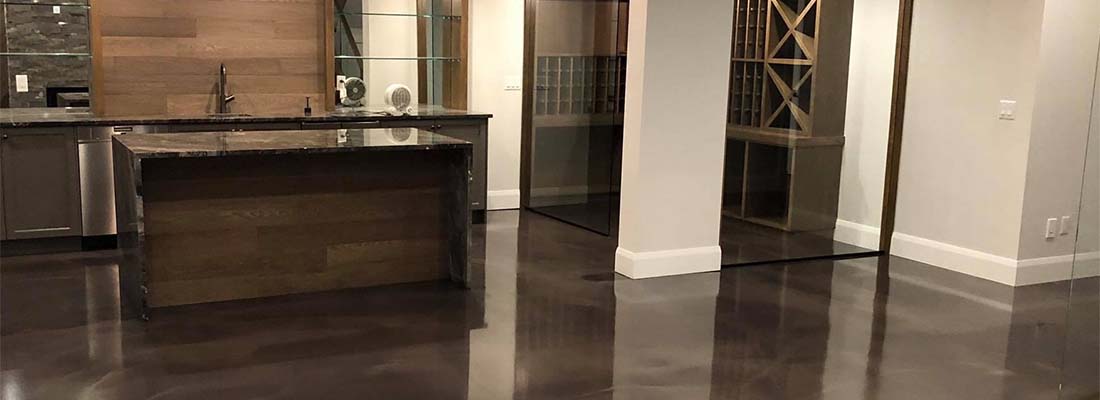



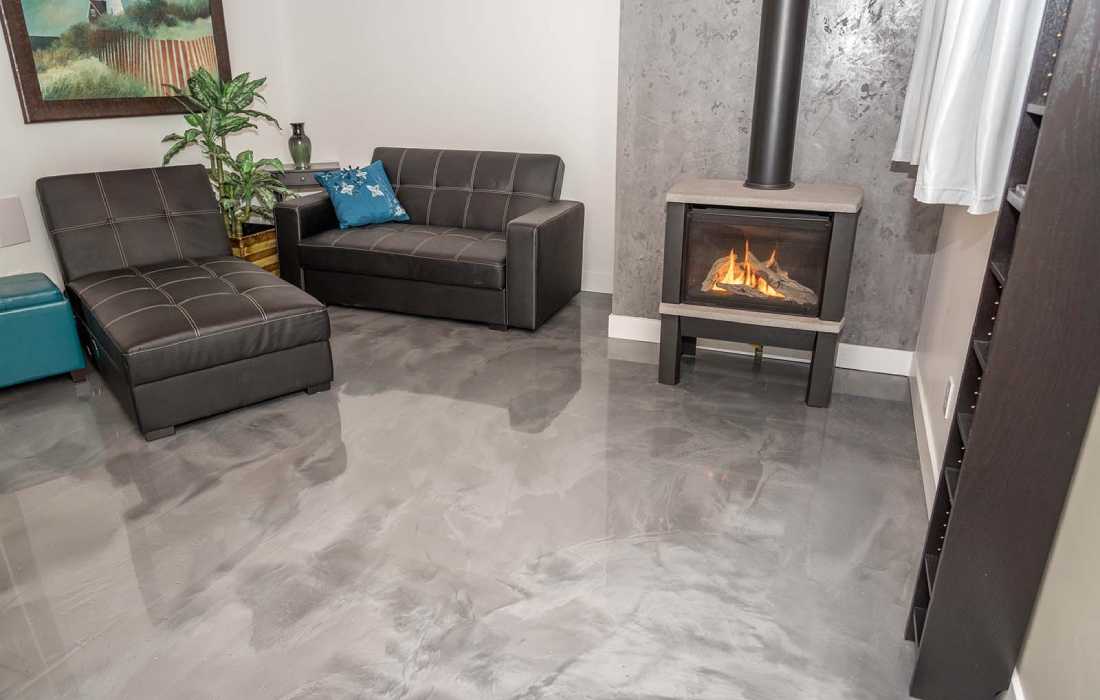
Epoxy flooring has become extremely popular among homeowners and business owners who value its durability and its far more refined appearance compared to bare concrete.
As an entrepreneur, you’ve decided to add this service to your offerings. And because it appears to be a relatively minor type of work, you’re naturally wondering whether a licence is required to perform it.
Epoxy Flooring
Do I Need an RBQ License to Offer This Service?
Epoxy flooring has surged in popularity among both residential and commercial property owners. Its durability, impact resistance, and sleek, high‑end appearance make it a far more attractive option than bare concrete. If you’re an entrepreneur considering adding epoxy flooring to your service offering, one key question inevitably arises: Do you need a license from the Régie du bâtiment du Québec (RBQ) to install epoxy flooring?
A Minor Upgrade… With Major Regulatory Requirements
While applying an epoxy coating may look like a simple or minor modification, the regulations governing this type of work are anything but simple. To legally offer epoxy flooring installation, you must hold an RBQ license that includes subclass 9 of Schedule III (floor coverings).
This requirement applies to both specialized contractors and general contractors. A general contractor may perform or subcontract the work, but must still hold the correct subcategory to remain compliant.
What If the Work Is in the Commercial or New Residential Sector?
In these sectors, an additional layer of regulation applies: CCQ competency cards.
You — and your employees — must hold the appropriate cards for the trades involved in epoxy flooring installation, including:
- Painter
- Cement Finisher / Applicator
- Labourer
Each card has its own conditions and scope of practice, and each becomes mandatory depending on the specific tasks performed on site.
Why Are These Requirements in Place?
Because installing epoxy flooring involves more than simply applying a coating. The process typically includes:
- preparing and cleaning the concrete,
- repairing or leveling the surface,
- applying specialized chemical products,
- sometimes operating mechanical equipment,
- and managing health and safety risks associated with chemical exposure.
For these reasons, the RBQ and CCQ classify epoxy flooring installation as construction work, even if it may appear straightforward.
In Summary
To install epoxy flooring in Québec, you must:
- Hold an RBQ license with subclass 9 of Schedule III.
- Hold the appropriate CCQ competency cards when working in the commercial or new residential sector.
Failing to meet these requirements can lead to fines, sanctions, and even a prohibition from performing the work.
Need Guidance?
RBQ and CCQ regulations can be complex and sometimes confusing. If you want to confirm your obligations or ensure full compliance before offering epoxy flooring services, don’t hesitate to contact us. We can guide you based on the exact nature of the work you plan to perform.